In a nursery, “who’s in?” is a compliance question
Ratios are calculated on the staff actually present — not the staff on the rota. Why early years settings need a live answer to who is in the building, and how a tap at the door provides it.
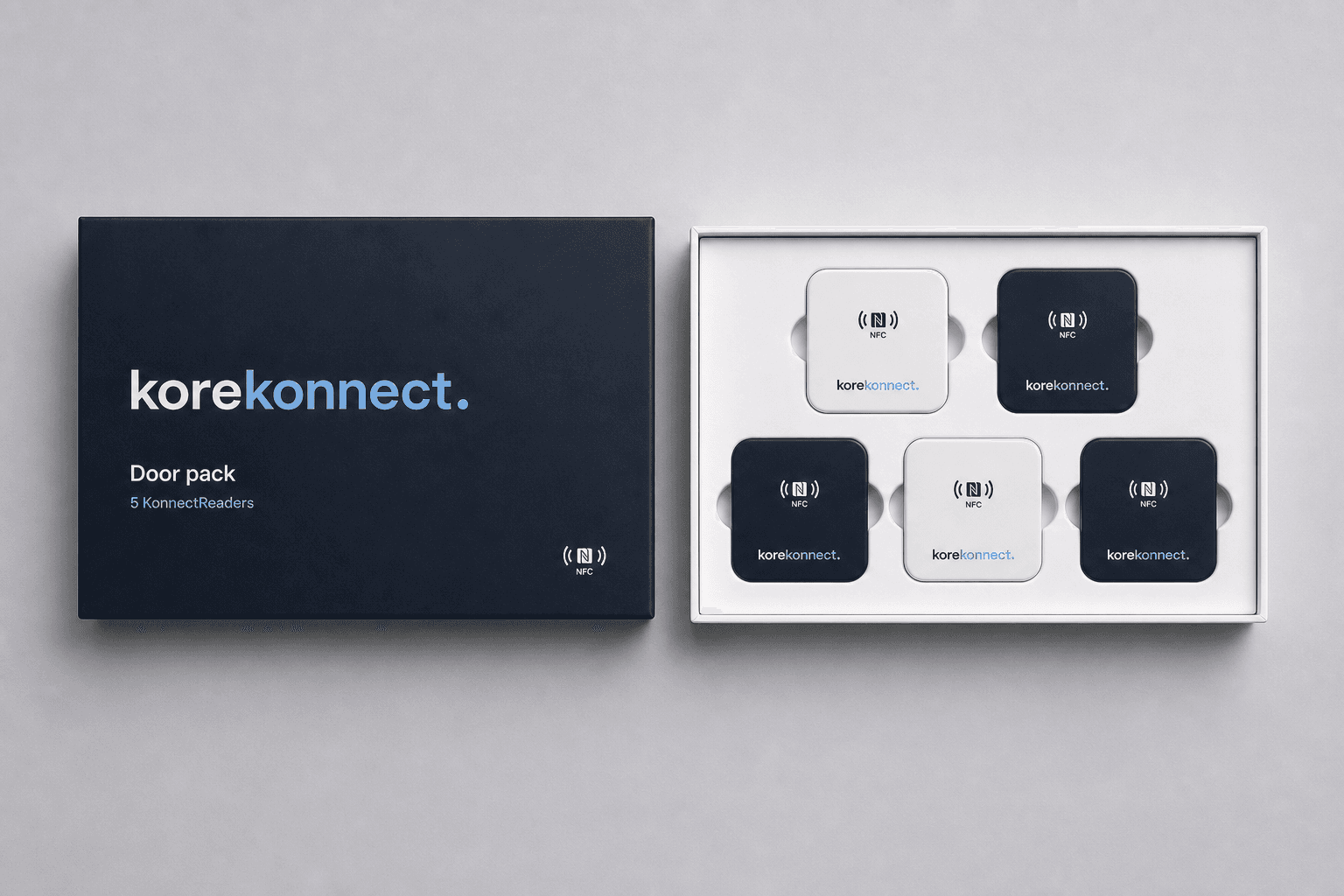
The rota is a plan; the ratio is a fact
Early years ratio requirements bind on what is true right now: the qualified adults physically present against the children physically present, room by room. The rota shows what was intended. When someone is off sick, arrives late or leaves early for an appointment, the rota and the building disagree — and it is the building that an inspector, or an incident review, will ask about.
Most settings bridge that gap with a paper room register that somebody remembers to update. The honest ones admit it lags reality by minutes or hours. A tap on the way in and out closes the gap: the who’s-in list is generated by the doors themselves, live, with no one responsible for remembering it.
Fire drills, agency staff and the audit trail
The same record answers the fire roll call. When the alarm sounds, the person at the muster point needs to know who was inside, not who was rostered, and that is a screen rather than a folder in the office.
Sessional and agency staff, the everyday reality of early years staffing, are exactly who paper systems lose track of. With flat per-organisation pricing there is no cost to adding them properly: they are invited by email, they tap like everyone else, and their hours land in the same payroll export as everyone else.
And because every tap is cryptographically verified at the reader and timestamped to the second, the setting holds a real history: for a safeguarding audit asking who was present on a particular afternoon, the answer is a report generated in seconds. Managers can correct genuine mistakes, and staff-raised corrections carry an approval trail showing who asked, who decided and when.
From managers of real settings
Can we see who’s in per room, not just per building?
Readers are per door and named — so a reader on each room door gives room-level presence, while one on the entrance gives building-level. Most settings start with the entrance and add rooms later.
What about staff who forget to tap out?
A missing sign-out is flagged rather than silently guessed. The staff member or a manager corrects it through an approval flow, so the record shows what happened and who fixed it.
Do parents or children tap?
This system is for staff and volunteers. Child registers have their own requirements and remain your existing process.
A who’s-in list the doors maintain
Live presence, fire lists and payroll-ready hours from the same taps.
Try the live demo